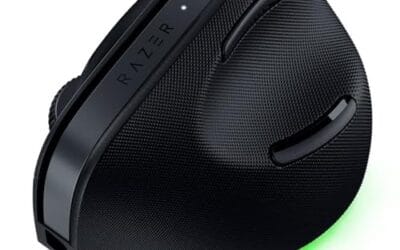
How To Choose A Vertical Mouse: A Step-by-Step Walkthrough
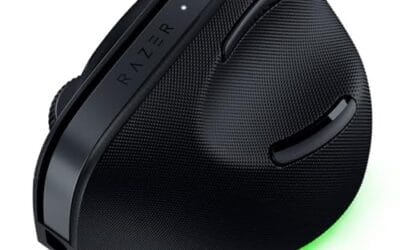
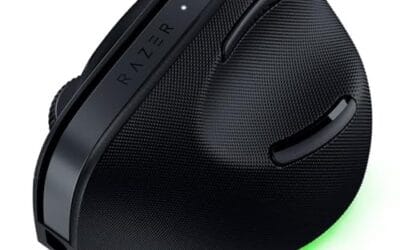
A vertical mouse rotates your hand into a handshake position, and that single change can take the strain off the forearm that a flat mouse quietly builds up.

We independently review everything we recommend. When you buy through our links, we may earn a commission. As an Amazon Associate we earn from qualifying purchases. Learn more ›
A vertical mouse rotates your hand into a handshake position, and that single change can take the strain off the forearm that a flat mouse quietly builds up.

If you've shopped for a gaming mouse lately, you've seen the label plastered across product pages: optical switches.
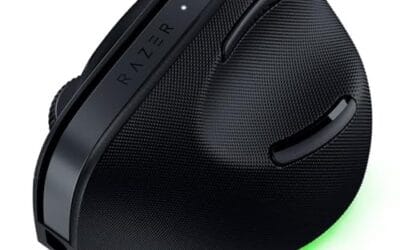
Picking a gaming mouse sounds simple until you open a store page and hit forty options that all claim to be the fastest, lightest, and most precise thing.
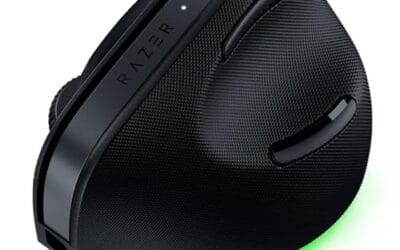
The best gaming mouse in 2026 isn't the one with the flashiest RGB or the biggest DPI number on the box.
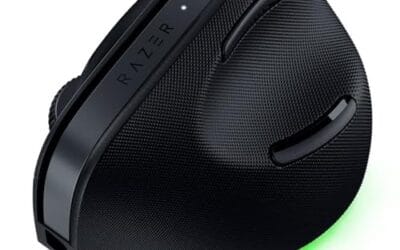
DPI, or dots per inch, tells you how far your cursor travels on screen for every physical inch you move the mouse.
Ask five gamers whether the sensor inside their mouse matters and you'll get five confident, contradictory answers.

If your cursor drifts farther than your hand moves, or two identical flicks land in two different spots, mouse acceleration is usually the reason.

If you’ve ever seen a mouse marketed as having optical or mechanical switches, the difference is under the buttons, not under the sensor.

A mouse sensor problem can feel like a haunted PC: the pointer jumps, slows down at random, skips across the screen, or refuses to track on one patch of your.
The difference between a light and heavy mouse is not just how it feels in your hand. Weight changes how much force you need to start moving, how quickly you.