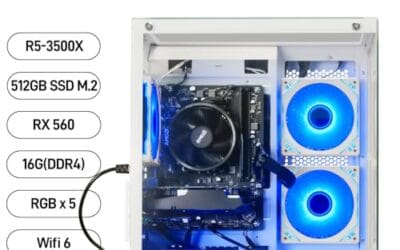
Difference Between Prebuilt And Building A Pc Explained: What It Actually Does for Your PC
The difference between a prebuilt PC and building a PC yourself is control. A prebuilt gives you a working system faster, with one seller responsible for.

We independently review everything we recommend. When you buy through our links, we may earn a commission. As an Amazon Associate we earn from qualifying purchases. Learn more ›
The difference between a prebuilt PC and building a PC yourself is control. A prebuilt gives you a working system faster, with one seller responsible for.

How much do you actually need to spend on a budget prebuilt PC? It's the first question, and the honest answer is a range, not a number.
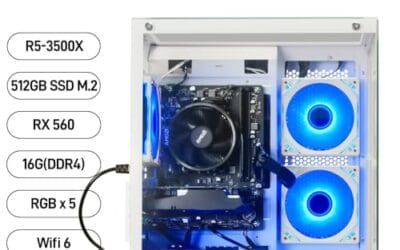
"How much mini PC do you need" is really a question about matching compute to your actual workload, not chasing the biggest spec sheet.

How much prebuilt gaming PC you need depends on one thing you can answer in a sentence: what resolution and framerate you actually play at.
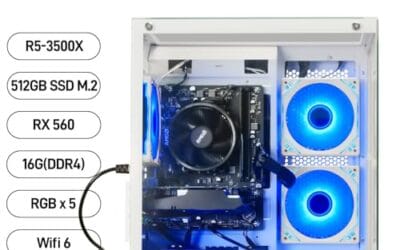
Shopping for a prebuilt to game at 1440p sounds simple until you read the listings. Every tower claims to be a "gaming PC," but the gap between one that.
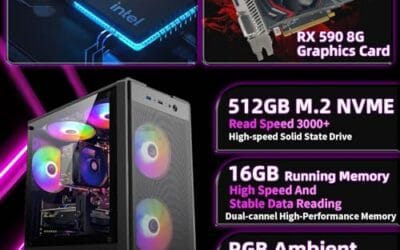
A mini PC for a home server is one of those ideas that clicks the moment you understand it: a small, low-power box that sits in a corner running your files.
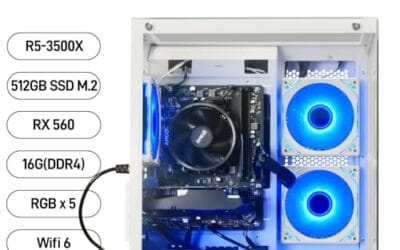
A budget prebuilt PC is a fully assembled desktop, usually under $600, that gets you gaming or working without picking parts or turning a screwdriver.

A gaming PC under $1,000 is a real target, not a fantasy, but the sub-$1,000 space is where marketing gets slippery.
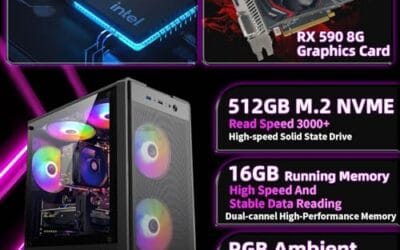
Mini PCs have quietly become one of the most useful categories in computing. They're small enough to hide behind a monitor, quiet enough for a living room.
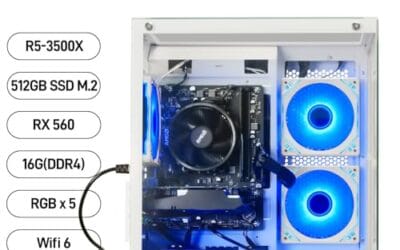
A prebuilt gaming PC promises to skip the assembly, the compatibility headaches, and the driver wrangling. Plug it in, and you're gaming.