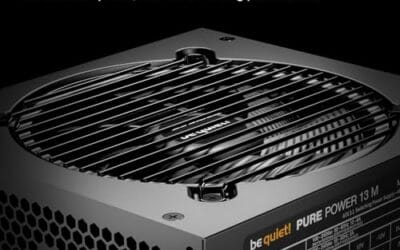
Is A Budget Power Supply Worth It Explained: What It Actually Does for Your PC
A budget power supply is the cheapest major component you can put in a PC, and it's also the one most likely to take everything else down with it if it.

We independently review everything we recommend. When you buy through our links, we may earn a commission. As an Amazon Associate we earn from qualifying purchases. Learn more ›
Power your PC safely and efficiently with the best power supplies. We review reliable PSUs that offer stable performance, high efficiency ratings, and the protection your components need.
A budget power supply is the cheapest major component you can put in a PC, and it's also the one most likely to take everything else down with it if it.
An 850W power supply sounds excessive until you pair a modern graphics card with a hungry CPU and watch transient spikes blow past the tidy wattage number on.
Picking a power supply is the least glamorous part of a build and one of the easiest to get wrong.
You've seen the badges on power supply boxes: 80 Plus Bronze, Gold, Platinum. They promise efficiency, but what does that actually buy you? In plain terms.
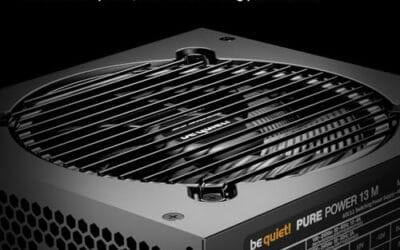
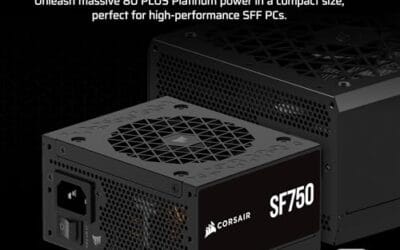
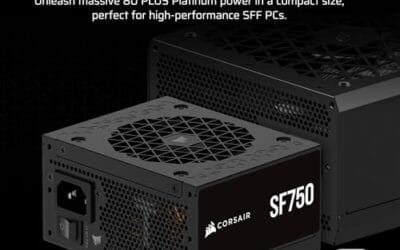
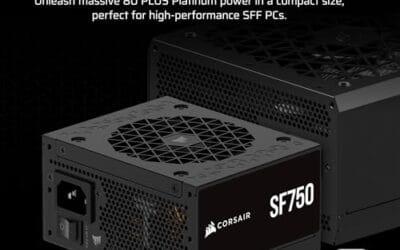
Two power supplies, similar money, wildly different ideas about what you're buying. On one side sits the Corsair SF750 at $159.99, a tiny 750-watt SFX unit.
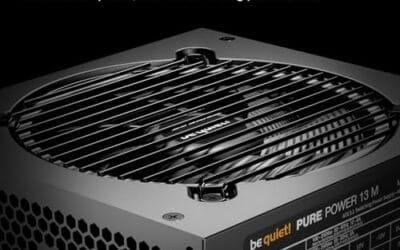
Spend $150 on a power supply and you expect it to just work. But two units at nearly the same price can be built for completely different jobs, and picking.
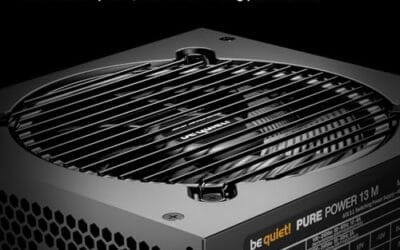
Spend $100 on a power supply and you get clean, reliable wattage. Spend $250 and you're paying for higher efficiency ratings, better connectors, quieter.
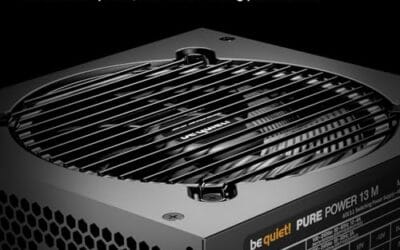
An SFX power supply is about 40% smaller by volume than a standard ATX unit, yet a good one like the Corsair SF750 pushes a full 750W through a body that.
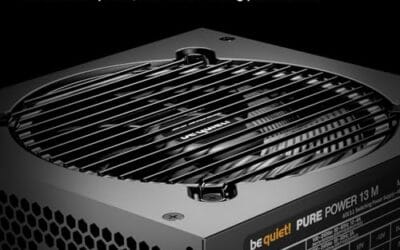
A power supply is the one component people cheap out on and later regret, and the modular-versus-semi-modular question sits right at the center of that.
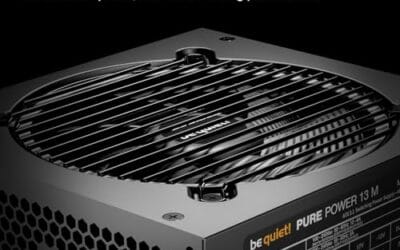
ATX 3.0 landed with the 12VHPWR connector and promised to handle the brutal power spikes of modern GPUs.