
Does The 12Vhpwr Connector Matter For Gaming Explained: What It Actually Does for Your PC
If you've shopped for a new graphics card in the last couple of years, you've probably run into a skinny little 16-pin plug and a wall of forum arguments.

We independently review everything we recommend. When you buy through our links, we may earn a commission. As an Amazon Associate we earn from qualifying purchases. Learn more ›
Power your PC safely and efficiently with the best power supplies. We review reliable PSUs that offer stable performance, high efficiency ratings, and the protection your components need.
If you've shopped for a new graphics card in the last couple of years, you've probably run into a skinny little 16-pin plug and a wall of forum arguments.

The 12VHPWR connector packs up to 600 watts through a plug barely wider than your thumb, and that density is exactly why people get nervous about seating it.
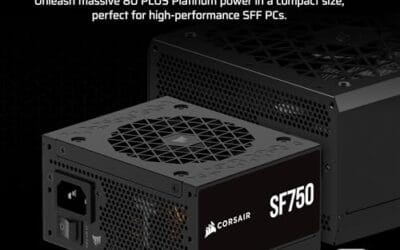
Ask ten builders if a modular power supply matters for gaming and you'll get ten slightly different answers. Some swear by the clean cable runs.

You're staring at two power supplies with almost identical wattage, and one costs $40 more because a little badge says "Platinum" instead of "Gold." So does.
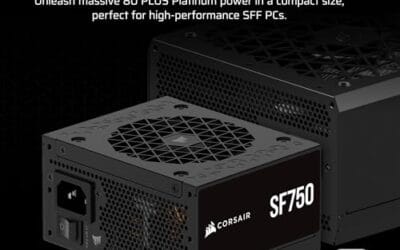
PSU ripple is the tiny leftover wave of AC voltage that rides on top of the DC power your PC power supply sends to the motherboard, CPU, GPU, drives, and.
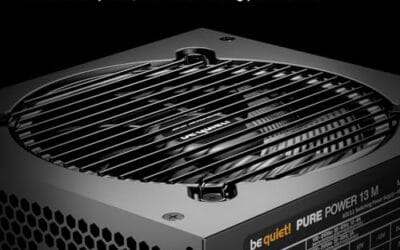
If you've shopped for a power supply lately, you've probably run into a spec that sounds more dramatic than it really is: single rail versus multi rail.
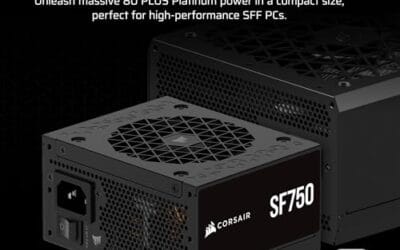
Your power supply pulls electricity from the wall, and not all of it reaches your components.
Your PC won't power on. You hit the button and nothing happens, no fans, no lights, no beep.
You bought a new graphics card, plugged it in, and now the box art keeps shouting "ATX 3.1" and "PCIe 5.1 ready" at you.
Your power supply is rated for a wattage number, say 850W, but your PC almost never pulls that much.