
A Modular Psu Explained: What It Actually Does for Your PC
Open up two power supplies side by side, and one has a fixed bundle of cables sprouting from it while the other has bare sockets and a bag of detachable.

We independently review everything we recommend. When you buy through our links, we may earn a commission. As an Amazon Associate we earn from qualifying purchases. Learn more ›
Power your PC safely and efficiently with the best power supplies. We review reliable PSUs that offer stable performance, high efficiency ratings, and the protection your components need.
Open up two power supplies side by side, and one has a fixed bundle of cables sprouting from it while the other has bare sockets and a bag of detachable.

Every power supply box shouts an 80 Plus badge, Bronze, Gold, Platinum, and it's easy to treat it as marketing noise. It isn't.
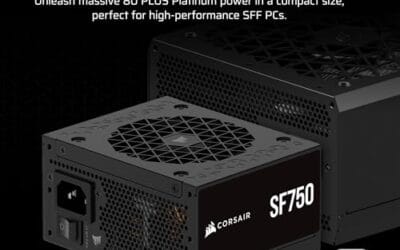
A single graphics card can swing your power needs by a couple hundred watts, which is why the 750W versus 850W question comes up in nearly every build.
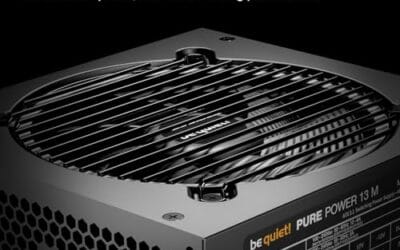
Shoppers who start out cross-shopping MSI and Thermaltake power supplies usually end up realizing the brand on the label matters less than the platform.

Power supply shopping rewards patience over brand loyalty, and the be quiet! versus MSI question sends a lot of builders down a rabbit hole.

Power supply prices have quietly fallen. A fully modular 1000W unit with 80 Plus Gold and ATX 3.1 support now sells for around $140, roughly a third less.

Does PSU efficiency matter for gaming? Yes, but not in the way a lot of build advice makes it sound.

Corsair Vs Seasonic Power Supplie needs a grounded answer, not hype. We have researched the supplied product data, including prices, ratings, and title.

ATX 3.1 matters most when your GPU, cable, and power supply need cleaner handling of modern power spikes.

Every build guide throws around the same advice: buy a bigger power supply than you think you need.