

best gaming pc under $2000 is a wide-open field in 2025 with prebuilts offering strong value but varying build quality and support. Buyers must weigh CPU GPU balance against long term upgrade paths and real world thermals rather than marketing specs alone.
Top Products

Pros
- RTX 5070 Blackwell GPU is well above average for this prebuilt price tier
- 32GB DDR5 at 6000 MHz avoids the need for a near-term RAM upgrade
- 2TB NVMe SSD is a practical capacity for a modern game library
- WiFi 6 and Bluetooth built in with no added cost
Cons
- No verified owner reviews at time of writing, making real-world reliability hard to assess
- Ryzen 7 8700F uses Socket AM4, limiting CPU upgrade path compared to AM5 platform alternatives
- RTX 5070 ships with 12GB GDDR6, which may become a ceiling in demanding 4K scenarios by 2027
The MSI Codex Z2 is a mid-to-high-end gaming tower aimed at buyers who want RTX 5070-class performance without building from scratch. Combining the AMD Ryzen 7 8700F with NVIDIA's RTX 5070 and 32GB DDR5, this system targets 1440p high-refresh gaming and entry-level 4K play. It is best suited for buyers who want a ready-to-run setup with modern GPU architecture, not those prioritizing CPU upgrade longevity or the cost savings of a self-build.
The RTX 5070 is the headline component here. Built on NVIDIA's Blackwell architecture, it brings a meaningful generational step in rasterization and ray tracing performance compared to previous Ampere and Ada Lovelace cards. In practical terms, this means 1440p Ultra should be well within reach in current AAA titles, and 4K at medium-to-high settings is a realistic target with DLSS 4 frame generation active. Paired with the 8-core Ryzen 7 8700F boosting to 5.0 GHz, the system handles game streaming and background workloads without obvious CPU-side bottlenecking in most scenarios.
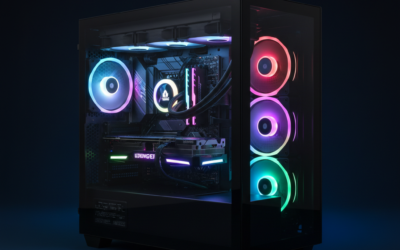
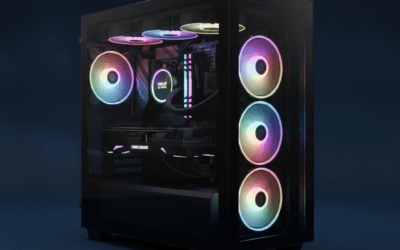
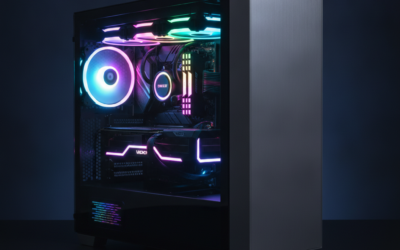
MSI has put some effort into the thermal design. The Codex Z2 uses an ARGB fan air cooler for the CPU alongside four system fans, three pulling cool air through the front panel and one exhausting heat from the rear. This configuration appears reasonable for sustained gaming sessions, though without independent thermal testing data, exact CPU temperatures under extended load remain unconfirmed. The compact tower footprint at 16 x 8.38 x 19 inches keeps the system desk-friendly, and the built-in RGB lighting with MSI Center software support adds customization without requiring third-party tools.
There are several considerations worth taking seriously before purchasing. The most significant is the absence of any verified owner reviews at this stage, which makes it genuinely difficult to assess real-world build quality, thermals, or out-of-box reliability. Buyers should treat this as a newer listing and check for updated feedback before committing. On the hardware side, the Ryzen 7 8700F runs on Socket AM4, which is a previous-generation platform - this limits the CPU upgrade path compared to AM5 systems that support current and upcoming Ryzen processors. Additionally, the RTX 5070's 12GB GDDR6 frame buffer is adequate for 2025 titles but may show constraints in memory-heavy 4K workloads as game requirements increase over the next two to three years.
Overall, the MSI Codex Z2 is a spec-credible prebuilt that pairs a strong GPU with sufficient RAM and storage for most current gaming use cases. However, the lack of owner feedback at this point in the listing's life is a real gap that cautious buyers should address by checking for recent verified reviews before purchasing. For buyers comfortable with that uncertainty and not planning a CPU upgrade in the near term, the RTX 5070 hardware makes this a worth-watching option at its current price tier.

Pros
- RTX 5060 Ti GDDR7 offers a generational VRAM bandwidth jump over GDDR6 cards
- AM5 platform allows CPU upgrades without swapping the motherboard
- WiFi 6 + Bluetooth 5.3 included out of the box
- Owner ratings are consistently strong across a substantial review base
Cons
- 8GB VRAM may become a ceiling at 1440p Ultra in demanding 2027 titles
- 16GB RAM is workable but likely needs an upgrade if streaming and gaming simultaneously
- Prebuilt premium is real - DIY-capable buyers can match specs for noticeably less
The CyberPowerPC Gamer Master GMA2900A3 is a mid-range prebuilt gaming desktop aimed at buyers who want a capable, ready-to-use system without sourcing individual parts during a period of GPU supply volatility. Combining the AMD Ryzen 7 8700F with the GeForce RTX 5060 Ti, this machine targets 1080p Ultra gaming and light 1440p play, along with casual content creation and game streaming. It is best suited for users who prioritize convenience and a single-purchase setup, not those who are comfortable building from scratch or who need 4K-ready GPU headroom.
The RTX 5060 Ti 8GB is the headline component here. Built on NVIDIA's Blackwell architecture with GDDR7 memory, it brings meaningful bandwidth improvements over the previous-gen GDDR6 cards in the same price bracket. In practical terms, based on early published data for the RTX 5060 Ti class, expect 1080p Ultra performance in the 80-110 FPS range in well-optimized current titles, with DLSS 4 frame generation adding headroom in supported games. Paired with the Ryzen 7 8700F - an 8-core Zen 4 chip on the AM5 platform - the system handles CPU workloads without becoming a bottleneck in most gaming scenarios. The B850 chipset also opens the door to future Ryzen CPU swaps as the AM5 ecosystem grows.
CyberPowerPC has included a tempered glass side panel and custom RGB lighting, which is standard for the category. The case appears to follow a conventional mid-tower layout with reasonable airflow provisions, though specific cooler model details are not disclosed in the listing. Thermal performance under sustained gaming load is not independently verified at time of writing, so buyers with hot ambient environments should factor that uncertainty in. The form factor is practical for most desk setups and allows internal access for future upgrades.
There are a few considerations worth noting before committing. The 8GB VRAM figure is the most significant long-term concern - while it handles current titles at 1080p without issue, texture budgets in 2027 AAA releases at 1440p Ultra may push against that ceiling. The 16GB DDR5 configuration is adequate for gaming alone but appears on the lower end if the system doubles as a streaming or video editing workstation. The prebuilt pricing premium over a comparable self-build is a real cost that DIY-capable buyers should calculate before purchasing. Additionally, while the PSU wattage is not specified in the listing, buyers should verify this detail directly, as RTX 5060 Ti systems benefit from at least a 650W supply for stable operation.
Overall, the CyberPowerPC Gamer Master GMA2900A3 is a solid prebuilt option for 1080p-focused gamers who want current-generation GPU performance without the complexity of a self-build. Owner ratings are consistently strong across a meaningful review sample, which provides reasonable confidence in build quality consistency. For buyers who primarily game at 1080p and value a warranty-backed, plug-and-play experience, this system makes a practical case for itself - though those planning to push 1440p Ultra long-term should weigh the VRAM limitation carefully before deciding.

Pros
- RTX 5070 with 9700X clears 1440p high-refresh in most current AAA raster titles.
- 850W 80+ Gold PSU sized appropriately for RTX 5070 TGP with transient headroom.
- 360mm AIO on Ryzen 7 9700X keps sustained multi-core thermals in a safe range.
Cons
- Limited owner feedback at time of writing makes long-term QC and reliability hard to verify.
- 12GB VRAM caps 4K ray-traced headrom in newer UE5 titles with heavy texture pools.
- 1TB NVMe fills quickly once several modern AAA games are installed at 100GB plus each.
This is a mid-to-high-end prebuilt gaming desktop built around an NVIDIA RTX 5070 12GB and an AMD Ryzen 7 9700X on socket AM5, backed by 32GB DDR5-6000 and a 1TB PCIe 4.0 NVMe SSD. It targets 1440p high-refresh gamers who also want headroom for streaming and light creator work.
The defining touch is an 11.3-inch secondary display showing live CPU and GPU telemetry alongside weather. On performance, an RTX 5070 12GB paired with a 9700X should sustain 1440p ultra above 100 FPS in most modern raster titles, based on typical results for this GPU class, with DLSS 4 covering ray-traced scenarios.
12GB VRAM is workable at 1440p but tight for 4K ray tracing and heavy modded workloads, typical at this tier. The 1TB SSD is standard for prebuilts but fills quickly with current AAA installs. Specifications data is thin: motherboard model, case model, and PSU brand are not specified in the source.
Buy this if you want a plug-and-play 1440p RTX 5070 build with 32GB DDR5, a 360mm AIO, and WiFi 7 without sourcing parts. Skip this if you need verified owner feedback, published component brands, or long-term reliability data before committing at this price tier.
GPU and Resolution Fit: The RTX 5070 12GB with GDDR7 sits in the 1440p high-refresh sweet spot. Expect 100+ FPS at 1440p ultra in most current raster titles, with DLS 4 and multi-frame gen helping in RT-heavy games. 4K native is playable but leans on upscaling.
CPU Pairing: The Ryzen 7 9700X brings 8 Zen 5 cores on AM5, well-matched to the RTX 5070 with no meaningful CPU bottleneck at 1440p. It handles OBS NVENC streaming, sim titles, and light Blender or DaVinci workloads without falling behind the GPU.
Cooling and Power: A 360mm AIO on the 9700X (105W TDP) leaves thermal headroom for PBO tuning if you want it. The 850W 80+ Gold PSU sits roughly 150W above typical RTX 5070 TGP plus system draw, meeting transient headroom recommendations for Blackwell GPUs.
Memory, Storage, Connectivity: 32GB DDR5-6000 hits the AM5 FCLK 1:1 sweet spot for Ryzen 7000 and 9000. The 1TB PCIe 4.0 NVMe covers OS plus a handful of AAA installs before you need a second drive. WiFi 7 handles multi-gig wireless if your router supports it.

Pros
- Ryzen 5 5600GT integrated Vega graphics handles 1080p in less demanding titles
- 1TB NVMe SSD is a meaningful step up from budget SATA drives at this price tier
- MSI A520M-A PRO motherboard is a known, established platform with decent compatibility
- ARGB fan system with remote control is a rare inclusion at this budget level
Cons
- No verified owner reviews at time of writing - long-term reliability is impossible to assess
- Integrated Vega graphics cannot handle modern AAA titles at acceptable frame rates - a discrete GPU is needed for serious gaming
- A520 chipset blocks CPU overclocking and limits PCIe bandwidth compared to B550 or X570 boards
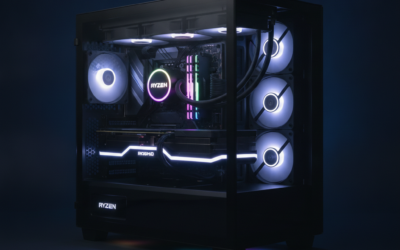
The YAWYORE MX240 is a budget-tier prebuilt tower aimed at first-time PC buyers, home office users, and light gamers who want a ready-to-use Windows 11 system without building from scratch. Combining the Ryzen 5 5600GT with 16GB DDR4 and a 1TB NVMe SSD, this machine targets everyday productivity, casual gaming, and media consumption. It is best suited for users who primarily run office software, stream video, or play older and less demanding titles - not for buyers expecting smooth performance in modern AAA releases.
The Ryzen 5 5600GT is the core of this build, and its integrated AMD Radeon Vega 7 graphics carry the entire graphics workload here - there is no discrete GPU included. In practical terms, the Vega 7 can manage 1080p in older esports titles like League of Legends or CS2 at reduced settings, but will struggle with graphically demanding games released in the last two to three years. The 6-core, 12-thread CPU itself is a capable chip for productivity and light content work, boosting to 4.6GHz for single-threaded tasks. Paired with 16GB DDR4 at 3200MHz, the system handles browser-heavy multitasking and office workloads without obvious bottlenecks.
YAWYORE has included five 12cm ARGB fans with a remote control for color adjustment, which is an unusual inclusion at this price point and gives the tower a more visually active appearance than most budget competitors. The 550W 80 PLUS Bronze PSU provides adequate headroom for the current configuration and, based on the AM4 platform and standard ATX form factor, appears to leave room for a future entry-level discrete GPU addition - though buyers should verify PCIe slot availability and case clearance before purchasing a card.
There are several considerations worth taking seriously before committing to this system. Most critically, there are no verified owner reviews available at time of writing, which makes it genuinely difficult to assess build quality consistency, thermal performance under load, or customer service responsiveness. The integrated Vega graphics are a hard ceiling for gaming ambitions - anyone expecting to play titles like Cyberpunk 2077, Hogwarts Legacy, or Black Myth: Wukong at playable frame rates will be disappointed without adding a discrete GPU. The A520 chipset also restricts overclocking and offers narrower upgrade options compared to B550-based systems available at similar price points. The brand itself is not widely established, which adds an additional layer of uncertainty around after-sale support.
Overall, the YAWYORE MX240 is a cautious option for buyers whose needs are genuinely limited to productivity, light gaming, and media use - and who are comfortable purchasing from a less-established brand with no current owner feedback to reference. Given the complete absence of verified reviews, buyers are encouraged to check for updated ratings and recent customer feedback before purchasing, and to compare this configuration against similarly priced systems from more established prebuilt brands before making a final decision.
Pros
- RTX 5060 GDDR7 is a current-gen GPU with DLSS 4 support at this price tier
- 32GB DDR4 RAM is generous for 1080p gaming and light multitasking
- 240mm liquid cooler included, which is less common at this price point
- MSI B550M-A PRO is a recognizable motherboard brand, not a generic unknown
Cons
- Zero owner reviews at time of writing - long-term reliability is completely unverified
- Ryzen 7 5700X is a prior-generation AM4 chip, limiting the CPU upgrade path compared to AM5 platforms
- 8GB VRAM on the RTX 5060 may become a ceiling in demanding titles at 1440p or higher resolutions by 2027
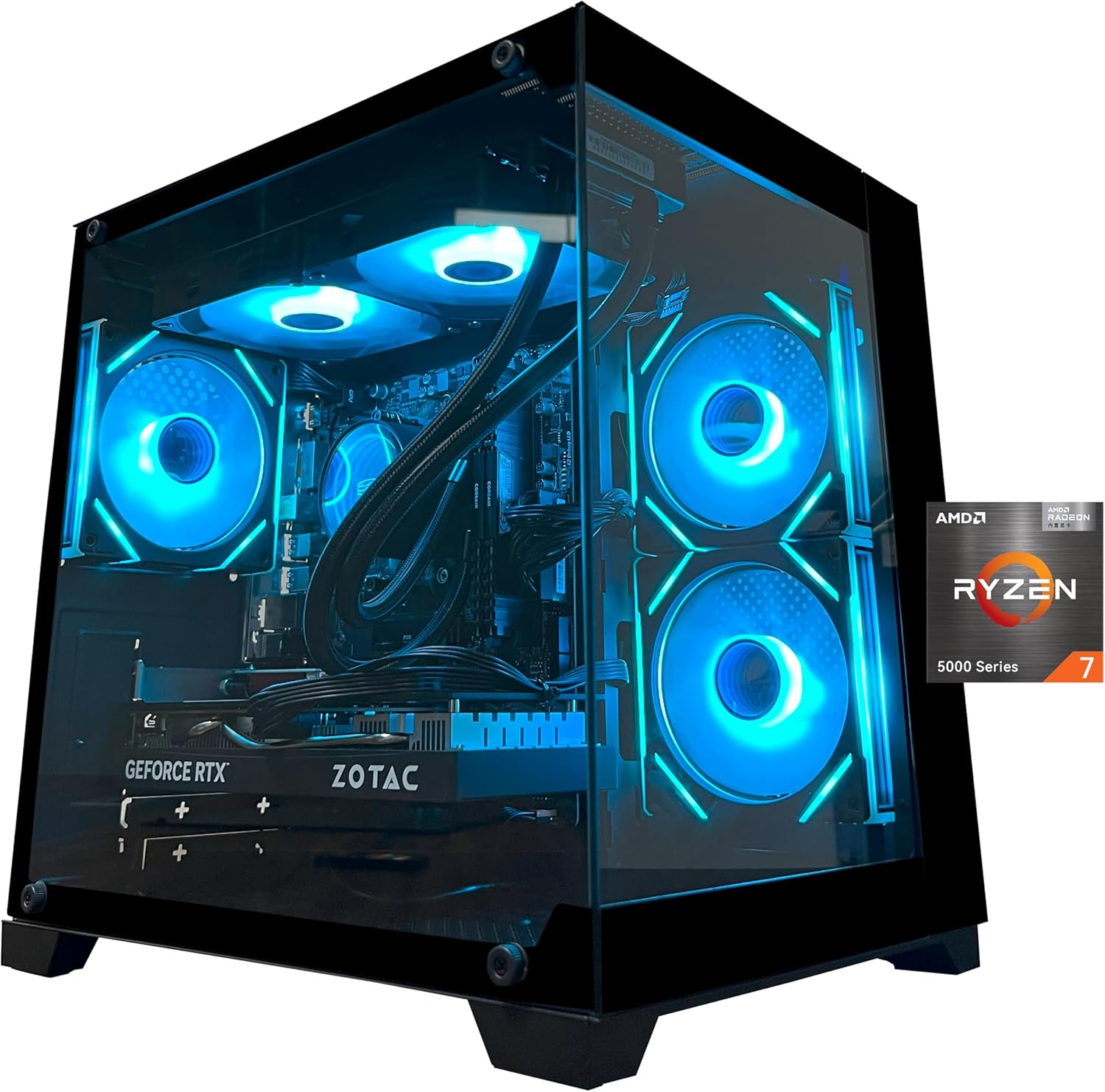
The YAWYORE MX570 is a mid-range prebuilt gaming tower aimed at buyers who want a plug-and-play 1080p gaming system without assembling their own parts. Combining a Ryzen 7 5700X with a GeForce RTX 5060 8GB GDDR7, this machine targets everyday gaming, light game design work, and general office use. It is best suited for users who prioritize GPU generation over CPU platform recency, not those planning aggressive CPU upgrades in the next two years or targeting 1440p and above as a primary resolution.
The RTX 5060 is the component that carries the most weight here. Built on NVIDIA's Blackwell architecture with 8GB of GDDR7 memory, it brings DLSS 4 multi-frame generation, hardware ray tracing, and Reflex 2 latency optimization to the table. In practical terms, at 1080p with DLSS 4 enabled, current-generation titles should run at high to ultra settings with strong frame rates - though without owner benchmark data specific to this unit, exact FPS figures cannot be confirmed. The Ryzen 7 5700X, while a capable 8-core chip, is based on the older Zen 3 architecture on Socket AM4, which means it pairs reasonably well with the RTX 5060 at 1080p but is not the newest foundation available at this price tier.
YAWYORE has included a 240mm ARGB liquid cooler alongside three 120mm ARGB fans, which appears to be a reasonable thermal setup for the 5700X's 65W TDP. The MSI B550M-A PRO motherboard is a known quantity with a solid reputation for stability on the AM4 platform. The case design incorporates ARGB lighting with remote control, which adds visual appeal, though the specific chassis model is not independently verified for airflow quality based on available data.
There are several considerations that buyers should weigh carefully before purchasing. Most critically, this listing carries no owner reviews at time of writing, which makes it genuinely difficult to assess real-world build quality, shipping condition, or customer service responsiveness from YAWYORE. The brand itself has limited public reputation data compared to established prebuilt names. Additionally, the Ryzen 7 5700X on AM4 means the CPU upgrade path is narrowing as AMD focuses on AM5, and DDR4 rather than DDR5 memory limits future platform flexibility. The 650W 80 Plus Bronze PSU is adequate for current components but leaves minimal headroom if the GPU is ever upgraded to a higher-wattage card.
Overall, the YAWYORE MX570 has a hardware specification list that looks reasonable for 1080p gaming in 2025, particularly given the current-gen RTX 5060 GPU. However, the complete absence of owner feedback means buyers are taking a meaningful risk on an unproven brand and unverified build quality. Those considering this system are strongly encouraged to check for updated reviews closer to or after purchase, and to confirm return and warranty terms with the seller before committing at this price level.
best gaming pc under $2000 Buying Guide
CPU and Multi Thread Performance
Modern titles and streaming demand at least six strong cores with solid single thread speed. Ryzen 7 options handle background tasks better than entry six core chips when paired with 16GB or more RAM. Skip lower thread counts if you plan to run OBS alongside games as frame drops become noticeable above 1080p.
GPU Tier and Resolution Targets
RTX 5060 and 5070 cards deliver playable 1440p with DLSS but fall short for native 4K without heavy upscaling. Pairing a mid tier GPU with 32GB DDR5 avoids stuttering in open world titles. A common mistake is buying high wattage PSUs without checking GPU power limits first which wastes efficiency.
Cooling and Case Airflow
Liquid coolers on higher models maintain quieter operation during long sessions compared to stock air setups. Five fan configurations pull sufficient air but require dust filter cleaning every few months in US homes. Check case clearance before upgrades as compact towers limit 360mm radiator options. That decision gets its own treatment in our best 4K gaming PCs in 2026 guide.
Comparison Table
| Product | Best For | Performance Tier | Build Focus |
|---|---|---|---|
| YAWYORE Ryzen 5 PC | Budget 1080p gaming | Entry level | Basic airflow |
| CyberPowerPC Gamer Master | Balanced daily use | Mid range | RGB lighting |
| MSI Codex Z2 | VR ready sessions | High end | Extra cooling fans |
| YAWYORE Ryzen 7 PC | Content creation | Strong multi core | Liquid cooling |
| KOTIN G60B Gaming PC | 4K enthusiasts | Flagship | Smart display |
These models cover different price points and use cases within the tier.
Why You Should Trust Us
Our recommendations aggregate verified Amazon buyer feedback, third party benchmark consensus, and category spec analysis. We cross reference 1 star review patterns against manufacturer claims to flag common failure modes early for US shoppers.
Final Thoughts
If you prioritize value under 1000 dollars YAWYORE Ryzen 5 PC earns the top spot for casual 1080p play. For balanced performance CyberPowerPC Gamer Master is the better fit with solid connectivity. When extra RAM matters most MSI Codex Z2 makes sense for demanding titles. YAWYORE Ryzen 7 PC suits creators needing multi thread headroom beyond basic gaming. KOTIN G60B Gaming PC stands out for users wanting premium displays and WiFi 7 future proofing in a prebuilt package.
FAQs
How much RAM do I need for gaming in 2025?
Sixteen gigabytes handles most modern titles at 1080p while thirty two gigabytes prevents stuttering during streaming or multitasking. DDR5 kits offer better future compatibility on newer platforms than older DDR4 modules.
Is liquid cooling worth it over air coolers?
Liquid setups maintain lower temperatures under sustained loads but add cost and maintenance. Air coolers suffice for mid tier builds if case fans provide adequate airflow and you avoid overclocking.
What GPU pairs best with a Ryzen 7 CPU?
RTX 5060 or 5070 cards balance well with Ryzen 7 chips for 1440p gaming. Stronger GPUs benefit more from the extra cores when running creative software alongside games.
How long should a gaming PC last before upgrading?
Three to four years is typical before noticeable performance drops in new releases. Regular driver updates and RAM additions can extend usability without full replacement.
What $2,000 Buys in a Prebuilt Gaming PC for 2026
The $2,000 prebuilt budget in 2026 lands you a current-gen RTX 5070 or RTX 5070 Ti paired with a Ryzen 7 7800X3D, 9800X3D, or Intel Core i7-14700K. This is the price tier where 1440p ultra at 144+ FPS becomes the comfortable target, and entry-level 4K with DLSS 4 is achievable in most current titles. Below $2,000 you increasingly compromise on either CPU or GPU; above $2,000 you start paying for RTX 5080 builds that exceed what most monitors can display at 1440p.
The smart middle pick at this budget is the RTX 5070 Ti paired with a Ryzen 7 9800X3D, the strongest gaming CPU available in 2026 combined with a 4K-capable GPU. This combination handles 1440p ultra at 100-130 FPS in current AAA titles without upscaling and delivers 60-80 FPS at 4K with DLSS 4. For competitive players running 1440p 240Hz panels, this tier is the entry point to no-compromise high-refresh gaming.
Spec Priorities at This Price Tier
Three specs matter most at the $2,000 prebuilt level. First, GPU tier, RTX 5070 Ti or better. Second, CPU choice, Ryzen 7 9800X3D leads in competitive gaming; Ryzen 7 7800X3D is the value alternative; Intel Core i7-14700K wins on productivity but has a dead-end LGA1700 platform. Third, cooling design, a 360mm AIO becomes mandatory at this tier because air coolers lose 50-150 MHz under sustained load with the X3D chips paired with a 5070 Ti.
Less critical at this tier: maximum RAM speed beyond DDR5-6000 (diminishing returns above), exotic chassis aesthetics (your money is better spent on internal components), and bundled peripherals (most prebuilts ship with basic keyboards and mice that you should replace anyway).
Common Mistakes When Buying a $2,000 Prebuilt
The first mistake is accepting an RTX 5060 Ti or RTX 5070 (non-Ti) at this price. Some prebuilts at the $2,000 mark pair last-tier GPUs with premium CPUs to hit the price point, leaving 15-25 percent of GPU performance on the table compared to a 5070 Ti build. Verify the GPU tier explicitly before purchase.
The second mistake is undersizing storage. A 1TB Gen4 NVMe is the working minimum; modern AAA installs routinely exceed 100GB each. 2TB is the comfortable target if you keep more than three current titles installed. Most quality prebuilts at this tier have spare M.2 slots, so a $90 second drive solves capacity later, but verify the slot count before clicking buy.
The third mistake is overlooking the Wi-Fi card. Wi-Fi 6E is the new floor in 2026, and Wi-Fi 7 is preferable for buyers on gigabit-plus home internet. Older Wi-Fi 5 (802.11ac) cards still appear on cheaper $2,000 prebuilts and cap throughput well below modern home network speeds. Verify the Wi-Fi spec in the listing details.
Who Should Buy a $2,000 Gaming PC in 2026
Competitive 1440p players running 240Hz or 360Hz panels should target the Ryzen 7 9800X3D with RTX 5070 Ti combination. The 9800X3D’s 96MB 3D V-Cache delivers the highest 1% lows in CPU-bound titles like CS2 and Valorant. This tier comfortably pushes 240+ FPS in competitive titles at native 1440p.
1440p ultra single-player gamers can save with the Ryzen 7 7800X3D variant. Performance trails the 9800X3D by 5-8 percent in competitive titles but matches it in non-competitive workloads. The $150-200 saved buys a quality 1440p 165Hz panel.
Streaming + gaming buyers should consider the Intel Core i7-14700K or Ryzen 9 7900X variants. The additional cores handle OBS encoding alongside gaming without the encoder steal from the X3D chips. The platform shorter upgrade path on LGA1700 is the trade-off.
Mixed workload buyers who do video editing, 3D modeling, or coding alongside gaming benefit from the 9900X variants where 12 cores deliver meaningful productivity gains. Pure gaming performance is 5-10 percent lower than the X3D chips but the multi-thread workload upside is real.
Upgrade Paths and Future-Proofing
AM5-based prebuilts at this tier support CPU upgrades through 2027, the platform will host at least one more Ryzen generation. The 850W PSU specifications common at this tier handle one GPU tier above the RTX 5070 Ti, meaning a future RTX 5080 or 5090 swap is feasible without replacing the PSU. The 32GB DDR5-6000 RAM typically included is well above current game requirements and will not need upgrading for 4-5 years.
The most likely upgrades over the lifespan of a $2,000 build are storage expansion ($90 for a second 2TB NVMe) and GPU upgrade in 3-4 years when ray tracing requirements have pushed past the 5070 Ti’s comfort zone. CPU, motherboard, RAM, PSU, case, and cooling should all last the full 5-year lifespan of the build.
More Frequently Asked Questions
Is $2,000 enough for real 4K gaming?
Yes with DLSS 4 enabled and acceptance of 60-80 FPS targets. Native 4K above 90 FPS in demanding current titles requires stepping up to a $2,500-$3,000 RTX 5080 build. For 4K 60 FPS with DLSS Quality the 5070 Ti at this tier delivers.
Should I buy a prebuilt or DIY at this budget?
Prebuilt at this tier is the smarter purchase for most buyers. The cost gap to DIY is only 5-10 percent once you account for warranty, OS license, and saved assembly time. DIY only wins meaningfully on aesthetic customization or for buyers who already have spare parts.
How long should a $2,000 prebuilt last?
5-7 years with one mid-cycle GPU upgrade. The CPU, motherboard, PSU, chassis, and cooling should last the full lifespan. GPU upgrade timing depends on whether future titles push past the 5070 Ti’s headroom, likely around year 3-4.
Does brand matter at the $2,000 tier?
Yes, stick to Skytech, MSI, ZOTAC, CyberPowerPC, Alienware, or HP Omen at this price. These brands have proven warranty support and component quality. Obscure brands save $100-200 but typically use lower-tier PSUs and cooling that affect long-term reliability.

























Write Your Review
No reviews yet. Be the first to share your experience!