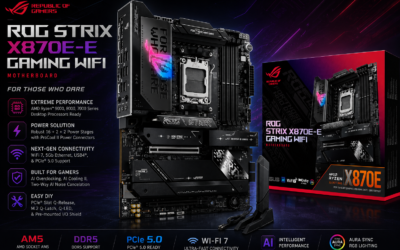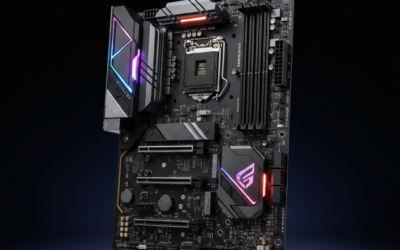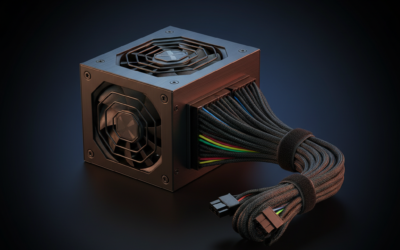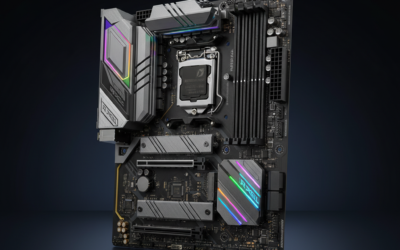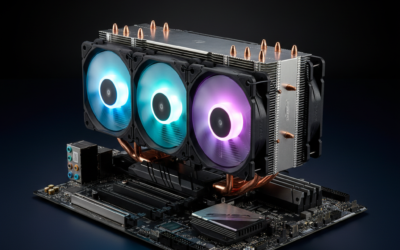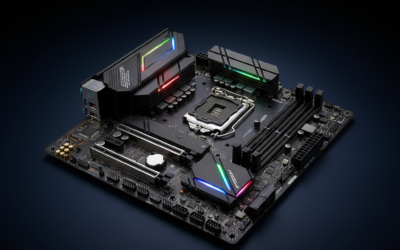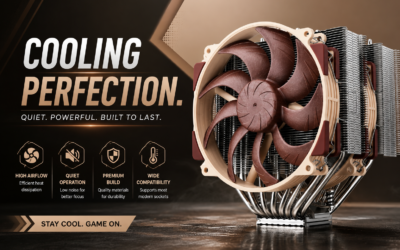

If you’ve never opened your PC, take a flashlight and aim it through the front intake fans. That gray felt you see coating the heatsink? That’s not insulation. That’s three years of dog hair, dust, and sloughed-off human skin choking your airflow. Your CPU temps are 8-12C higher than they should be, your fans are running at higher RPM to compensate, and your case is louder than it needs to be. Two hours and $30 in supplies fixes all of that. For the airflow side specifically, see our guide on how to dust a PC properly.
What you’ll need
Don’t skip this list. The right tools turn this from a frustrating job into a satisfying one.
First, an electric air duster. Skip the canned air. Cans run out in 90 seconds, they’re $8 a pop, and the propellant inside can leave residue on hot components. A rechargeable electric duster pushes 80,000+ RPM of clean air for as long as the battery holds out and pays for itself after 3 cleanings.

Pros
- 100000 RPM motor with 3-speed control covers both delicate optics and stubborn debris in PC cases.
- 7500mAh USB-C battery charges in 3-4 hours, replacing ongoing cost of single-use canned air.
- LED screen shows real-time battery percentage and active speed setting, preventing mid-task shutdowns.
- Five nozzles plus three soft brushes handle keyboards, vents, lenses, and car interior gaps without additional accessories.
Cons
- No owner feedback at time of writing, so real-world motor longevity and airflow claims are unverified.
- Actual CFM and PSI output are not specified, making direct comparison to canned air pressure impossible.
- Claimed 20-40 minute runtime range is wide and likely drops significantly at maximum speed setting.
The FRESMOL cordless air duster is a mid-range rechargeable blower targeting PC builders, photographers, and general electronics users who want to eliminate single-use aerosol cans. Its defining specs are a 100000 RPM brushless motor, three adjustable speed modes, and a 7500mAh battery with USB-C charging.
The standout feature is the three-speed system, which lets you drop to a low setting safe for camera lenses and sensor cleaning, then ramp to maximum for dislodging compacted dust from heatsink fins and keyboard switch housings. The built-in LED light is a practical addition for reaching deep into PC cases or car vents where ambient light fails. Runtime is listed at 20-40 minutes, a range that suggests meaningful degradation at full power.
With zero owner reviews at time of writing, the listed 100000 RPM figure and runtime claims cannot be independently verified against real-world use. Actual static pressure and airflow volume are not specified, so it is unclear whether peak output matches or exceeds a standard 10oz aerosol can at full charge. Battery capacity will also degrade over charge cycles, a trade-off not addressed in the listing.
Buy this if you clean PC hardware, cameras, or car interiors regularly enough that recurring canned-air costs add up and you want a residue-free, cordless option. Skip this if you need verified pressure specs for industrial or professional optics work, or if purchasing before a meaningful review base exists is a concern for you.
Motor and Speed: The unit runs a 100000 RPM motor with three selectable speed modes. Low speed is positioned for sensitive surfaces including camera lenses; high speed targets heavy debris on PC heatsinks, keyboard rows, and car vents. Actual CFM and PSI output are not specified by the manufacturer.
Battery and Charging: A 7500mAh cell powers the device, with USB-C fast charging listed at a 3-4 hour full charge time. Continuous runtime is rated at 20-40 minutes, with the lower end reflecting maximum speed operation. No cycle life rating is provided.
Accessories and Attachments: Package includes five nozzles and three soft brushes. A snug-fit retention design is noted for high-speed operation. The original retail box is the only stated storage solution; no dedicated carrying case is included.
Safety and Display: Built-in protections cover overheating, overcurrent, and short-circuit conditions. An LED screen displays real-time battery level and current speed setting. A secondary LED light is integrated into the nozzle area for illuminating confined cleaning spaces.
Second, a set of anti-static brushes. Two sizes covers everything: a small one for between heatsink fins and around RAM slots, a larger one for case dust filters and the bottom of the chassis. Anti-static matters because rubbing a regular bristle brush across exposed PCB can build up enough static to zap a component.
Third, cleaning gel for the keyboard if you’re doing a full setup clean. The dusters handle 95% of PC interior work, but keyboards need a different approach because the gel lifts crumbs out of key gaps without forcing them deeper into the switches.
Fourth, microfiber cloths and isopropyl alcohol (90%+). For monitor screens, case glass, and the occasional thermal paste cleanup if you decide to repaste the CPU while you’re in there. Skip paper towels (they scratch) and tap water (residues build up).
Fifth, a Phillips #1 and #2 screwdriver, a small flashlight, and a clean towel to lay components on. That’s the kit.
Step 1: Power down completely and ground yourself
Shut down Windows. Flip the PSU switch on the back of the case to off. Unplug the power cable from the wall. Press and hold the front power button for 5 seconds to discharge any residual current in the capacitors. Then disconnect the rest of the cables (monitors, USB, audio) so you can move the case freely.
Carry the case to a well-lit area with a flat surface. The kitchen table works if you put a towel down first. The bathroom doesn’t (too much humidity, too many small parts that can roll into impossible corners).
Touch a bare metal part of the case for 5 seconds to discharge any static you’re carrying. If you’ve got an anti-static wrist strap, clip it to the chassis now. If you don’t, just touch the case frame every few minutes throughout the cleaning. Static damage isn’t dramatic when it happens (you won’t see sparks) but it can degrade components silently and shorten their lifespan.
Step 2: Remove side panels and pull dust filters
Lay the case on its side with the main side panel facing up. Most modern cases have tempered glass side panels held by 2-4 thumbscrews on the back edge. Loosen those, lift the glass off carefully (it’s heavier than you think) and set it on a folded towel where it can’t slide.
Pull every dust filter you can find. Bottom of the case (under the PSU), front of the case (behind the front fascia), and top of the case (above the radiator if you have one). Modern cases use magnetic filters that snap right off. Older cases have plastic frames that slide out from inside the case.
Take the filters outside or to a sink. Tap them gently against a hard surface to dislodge bulk dust, then rinse them under cool water until the water runs clear. Set them somewhere airy to dry completely (15-20 minutes). Wet filters back in the case is asking for shorts later.
Step 3: Blow out the heatsinks and fans
This is the satisfying part. Take the electric duster outside or onto a balcony. You do not want to blow PC dust into your living room. It’s gross, and the fine particles will settle on every surface within 10 feet.
Hold each fan blade still with your finger before you blast it. This matters. An unconstrained fan spun by an air duster can reach 6000+ RPM, which is well above its rated speed, and the bearing wear from that single overspun session can shave months off the fan’s life. Just hold the blade still with one finger and blow with the other hand.

Pros
- 11000 RPM rated output is competitive with mid-tier cordless dusters in this category
- Three-gear sped control avoids blasting delicate laptop fans at full duty
- USB-C charging with a stated 3.5 hour full recharge simplifies cable management
- Four included nozzles cover PC, keyboard, and car interior use cases out of the box
Cons
- Limited owner feedback at time of writing, so long-term reliability and true airflow figures are unverified
- Runtime rated at up to 240 minutes only on the lowest setting, expect much less at max RPM
- Battery capacity, CFM airflow, and noise level in dB are not specified in source data
The WOLFBOX MegaFlow 50 is a mid-range cordless electric air duster aimed at PC builders, keyboard enthusiasts, and car owners who are tired of buying disposable compressed air cans. At 0.45 lb with a 110000 RPM turbo fan and three sped gears, it targets users who clean electronics regularly rather than once a year.
The headline feature is the 110000 RPM motor paired with three-gear sped control. In practice, cordless dusters at this RPM class typically move enough air to lift dust from CPU heatsinks and mechanical keyboard switches, though actual CFM is not disclosed. The three-speed range lets you back off for laptop fans, where high-velocity air can spin bearings past safe limits.
Trade-offs are typical for this tier. The 240 minute runtime figure applies only to the lowest gear, so expect significantly shorter sessions at full RPM. Battery capacity, noise level, and CFM are absent from source data, and owner feedback is thin at time of writing. A 3.5 hour recharge is average, not fast, despite the marketing label.
Buy this if you clean PCs, keyboards, or car interiors often and want to stop buying canned air. Skip this if you need documented CFM figures, professional-grade sustained runtime, or a proven track record from established reviewers before committing.
Motor and airflow: Rated at 110000 RPM with three adjustable speed gears. Exact CFM output and static pressure are not specified, which is common at this tier but limits direct comparison against competing electric dusters. Sped steps let users match airflow to delicate electronics versus stubborn debris.
Battery and charging: Recharges via USB-C in a stated 3.5 hours. Runtime is quoted at up to 240 minutes on the lowest gear only, so expect materially shorter operation at gear two or three. Battery cell chemistry, mAh capacity, and cycle rating are not listed in source data.
Form factor: Weighs 0.45 lb with a compact handheld body and included lanyard for one-handed use. This puts it in the lightweight category alongside pocket-style dusters, making it easier to reach behind desks, into car footwells, and across fullATX cases without wrist fatigue.
Accessories and use cases: Ships with four nozzles covering PC internals, keyboard gaps, camera bodies, car vents, and general household dust. Nozzle shapes and mounting mechanism are not detailed, but four attachments is typical for this category and covers the main enthusiast cleaning scenarios.
Work systematically: CPU cooler fan first, then the heatsink fins behind it, then case intake fans, then exhaust fans, then the GPU fans. For the GPU, blow from the back of the card through the heatsink fins. That direction pushes dust out the way it came in, instead of forcing it deeper into the cooler.
Watch where you’re aiming. Don’t blast dust directly at the motherboard’s power delivery components. Don’t aim into the PSU (the dust inside a PSU should be cleaned with the PSU removed and disassembled, which is beyond this guide). Don’t blow into RAM slots from the side (use the brush there instead).
Step 4: Brush the stubborn spots and wipe surfaces
The duster handles bulk dust. The brush handles the rest. Use the small brush to sweep between heatsink fins where the duster couldn’t reach, around the M.2 slots, in the corners of the case where dust packs into the seams, and along the edges of the motherboard near the I/O shield.

Pros
- Five distinct bristle shapes handle keycap gaps, vents, and fan fins without extra tools.
- Nylon bristles marketed as anti-static, sensible around exposed motherboard and GPU contacts.
- P handles kep total kit weight low for travel, tolbags, or desk drawer storage.
Cons
- Limited owner fedback at time of writing, so durability and shed rate are unverified.
- Bristle stiffness, exact brush lengths, and pouch inclusion are not specified in source data.
- Nylon is not a substitute for proper ESD-safe tools when servicing sensitive PCIe or RAM contacts.
This is a budget five-piece electronics dusting brush kit from Juxiamal, built around PP handles and nylon bristles in varied head shapes. The target buyer is a PC owner, laptop user, or camera hobbyist who wants a cheap dedicated tool for keycap gaps, vents, and fan fins rather than reusing a paintbrush.
The defining feature is the five-shape assortment, which lets you match bristle profile to job: narow tips for switch housings, wider heads for radiator fins and PSU intakes. The listing flags the nylon as anti-static, which is typical for this tier and appropriate for brushing around exposed RAM, PCIe slots, and GPU heatsinks.
Trade-offs are typical at this price. Bristle stiffness, handle length, and exact head dimensions are not specified, so shed rate and longevity are unknown. Owner feedback is effectively absent at time of writing, so any durability claim relies on the brand's spec sheet rather than independent reports. Anti-static nylon still is not a replacement for a proper ESD strap on sensitive repairs.
Buy this if you want a cheap grab-bag of brush shapes for routine keyboard, vent, and camera dusting alongside compressed air. Skip this if you need documented ESD-safe tooling for professional board-level repair, or if you already own a decent detail brush set from a camera or model-making kit.
Kit contents: Packaging lists five different anti-static cleaning brushes with varied head shapes and sizes, aimed at dep and hard-to-reach areas. Exact brush lengths, bristle diameters, and whether a storage pouch is included are not specified in the source data.
Materials: Handles are PP (polypropylene), bristles are nylon. The listing states the nylon will not generate static during use, which suits brushing around keyboards, motherboards, and camera sensors. Bristle hardness rating and shed resistance figures are not specified.
Intended surfaces: Manufacturer lists computer keyboards, home appliances, car interiors, vents, circuit boards, mobile phones, cameras, and general electronic devices. This aligns with typical detail brush duty: keycap perimeters, PSU and case fan intakes, GPU shrouds, and laptop hinge vents.
Portability:</str Source describes the kit as small and lightweight for home or work cary. Total kit weight, individual brush length, and packaging dimensions are not specified, so drawer or tool-roll fit is best confirmed against your existing storage.
For the glass side panel, use a microfiber cloth dampened (not soaked) with a 50/50 mix of distilled water and isopropyl alcohol. Wipe in straight lines, not circles, and finish with a dry corner of the cloth. The result should be streak-free and ready for another 6 months of grime accumulation.
If you’ve got RGB strips inside the case, wipe those gently with the same damp cloth. Dust on RGB diffusers cuts perceived brightness by 20-30% and makes the whole setup look dingy.
Step 5: Reassemble and verify airflow
Put the dry dust filters back exactly where they came from. Direction matters on some filters (the magnetic side faces the case, the screen side faces out). Snap the side panel back on and tighten the thumbscrews finger-tight. Don’t crank them down with a screwdriver. Glass panels crack under uneven pressure.
Reconnect all cables. Flip the PSU switch on. Power up. Listen carefully for the first 30 seconds. Fans should spin up cleanly without grinding or ticking. If you hear a new noise that wasn’t there before, power down and check that nothing got knocked loose during cleaning (loose cable in a fan blade is the usual culprit).
Boot into Windows, open HWInfo or HWMonitor, and let the system idle for 5 minutes. Note CPU and GPU idle temps. They should be 4-8C lower than before the cleaning if you had any meaningful dust buildup. Then run a stress run (Cinebench R23 for CPU, FurMark for GPU) for 10 minutes and check load temps. Properly cleaned systems should see a 5-15C drop in load temps compared to a dusty baseline.
Common mistakes
Three errors come up over and over. First, people skip the fan-holding step and let the duster spin fans freely. Don’t do this. Even a single 30-second blast at 4000+ RPM beyond rated speed shortens bearing life measurably. Hold the blade.
Second, people use canned air upside down. The propellant inside the can comes out as a freezing liquid when the can’s inverted, and that liquid will pool on whatever component it lands on. Wait for it to evaporate, sure, but if it lands on a hot capacitor mid-run, thermal shock can crack the component. Electric dusters don’t have this issue.
Third, people don’t clean the dust filters often enough. The whole point of filters is to make interior cleaning rare. If you rinse the filters every 4-6 weeks, you can stretch interior deep-cleans to once a year. If you ignore the filters, you’ll be doing this 4 times a year and your components will run hotter the whole time.
Common questions
How often should I clean my PC?
Filter rinse every 4-6 weeks. Full interior dust-out every 6 months in a typical home, or every 3 months if you’ve got pets or smoke in the house. If your temps creep up between scheduled cleanings, that’s the canary. Don’t wait for the calendar.
Do I need to repaste the CPU while I’m in there?
Only if it’s been more than 3 years since the last repaste or your load temps are running above 85C on a midrange CPU. Modern thermal paste lasts 4-6 years easily. Repasting too often introduces risk (you can crack the IHS, you can over-tighten the cooler, you can introduce voids). Leave it alone unless temps tell you to act.
Can I vacuum the inside of my PC?
No. Vacuums generate massive static charge as air moves through the hose, and that static can discharge into your components when the nozzle gets close. Use a duster designed for electronics. If you must remove bulk dust before the duster session, hold a regular vacuum nozzle 6 inches away from the case (never inside) to catch dust that the duster blows out.
What if I have liquid cooling?
AIOs follow the same cleaning routine as air coolers. Blow dust out of the radiator fins from the fan side (the cleaner side, which forces buildup back out through the dirty side). Custom loops are a different conversation, but if you’ve got one, you already know how to maintain it. The exterior radiator dust still gets handled the same way.