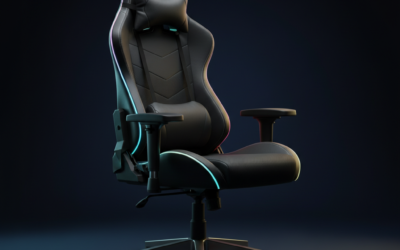
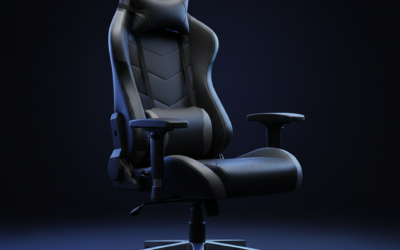
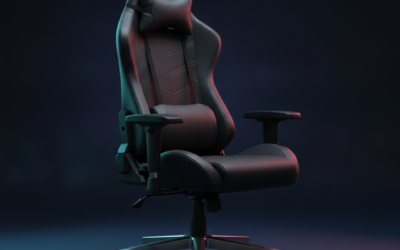
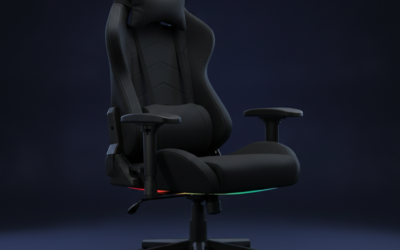
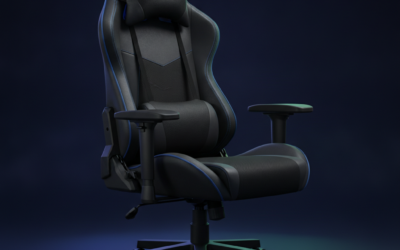
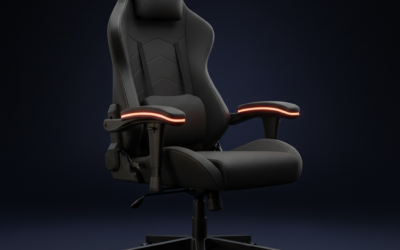
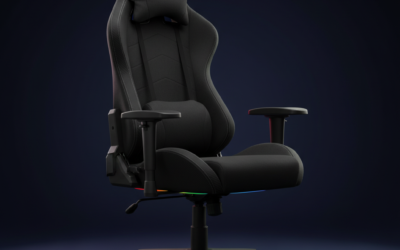
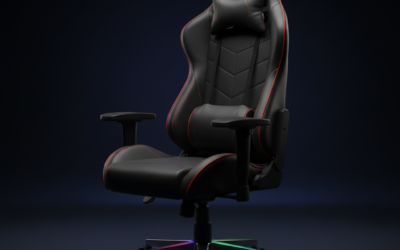
Eight-hour gaming sessions don’t forgive a bad chair. By hour three, a flimsy cushion turns into a backache, your shoulders creep toward your ears, and suddenly that ranked grind feels like punishment. We’ve spent weeks comparing the chairs gamers actually buy in 2026, the ones with real review counts and real lumbar systems, not just RGB-painted office seats. You’ll find picks across every budget here, from a sub-$100 sleeper hit to a premium Razer build that earns its price tag. No fluff. Just the chairs that hold up when the match goes long.
Pros
- 400lbs rated capacity with widened seat pan fits big and tall body types.
- Spring-loaded lumbar plus triple-pad seat cushion targets hip and lower-back pressure points.
- 90 to 150 degree recline covers desk work, reading, and reclined breaks.
- Metal frame and Class 3 gas lift address sinking complaints common on cheaper chairs.
Cons
- Limited owner feedback at time of writing, so long-term durability signal is thin.
- PU faux leather runs warmer than mesh and can peel over years of heavy use.
- Armrest adjustability tier (2D, 3D, or 4D) and seat depth are not specified.
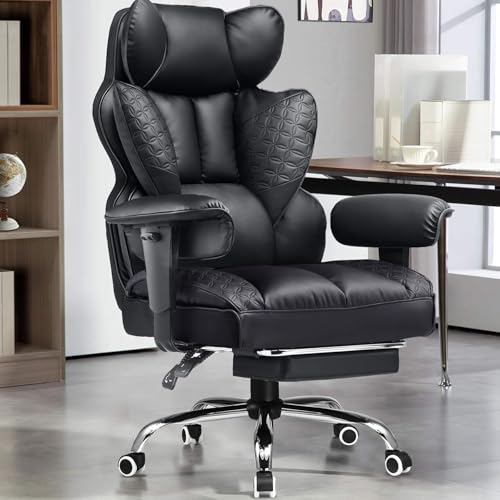
The GTPLAYER Big and Tall is a mid-range racing-style gaming chair aimed at heavier and taller users, with a stated 400lbs weight capacity, spring lumbar support, and a pull-out footrest. Target buyer: a big-and-tall office worker or gamer who needs a wider seat pan and reinforced base rather than a slim esports silhouette.
The defining feature is the load rating paired with a triple-pad seat cushion and enlarged headrest. For users in the 250to 400lbs range, that combination maters more than aesthetics, since standard gaming chairs typically cap around 250to 300lbs. Chairs in this tier usually ship with high-density foam over a stel frame, which aligns with the listed construction.
Trade-offs are typical for PU leather racing chairs at this price band: warmer seating surface than mesh, unspecified armrest adjustability, and no BIFMA certification called out in the source. The 90 to 150 degree recline is standard, not flat-lay. Owner feedback volume is thin at the time of writing, so long-term foam retention and stitching wear are unproven.
Buy this if you weigh above the250lbs limit of typical gaming chairs and want a reclining PU leather seat with footrest and lumbar spring. Skip this if you prefer a breathable mesh ergonomic chair, need certified BIFMA load testing, or require documented 4D armrests and adjustable seat depth.
Load rating: Rated to 400lbs, which sits well above the250 to 300lbs cap common to standard racing-style gaming chairs. That headroom benefits users in the 275lbs and up range where cheaper chairs often exhibit gas-lift sag within a year.
Lumbar and cushion: Built-in spring lumbar support pairs with a dual-layer high-density foam backrest and a triple-pad seat cushion. The widened seat pan targets thigh and hip pressure relief. Specific lumbar height adjustment range and seat depth dimensions are not specified in the source.
Recline and footrest: Backrest tilts from 90 to 150 degrees, covering upright desk posture through reclined breaks, though it stops short of a full 180 degree lay-flat. A retractable footrest is included for the reclined range.
Base and lift: Frame uses sturdy metal with a 3-level (Class 3) gas lift and heavy-duty metal base. BIFMA certification, exact seat height range, and armrest adjustability tier (2D, 3D, or 4D) are not specified.

Pros
- Integrated lumbar arch removes the need for an aftermarket back pillow
- Widened seat base with reduced bolsters accommodates broader hip widths
- High density foam typically holds shape longer than entry-tier cut foam
Cons
- Limited owner feedback at time of writing, assessment based mostly on spec sheet
- 2D armrests only adjust height and rotation, no forward or lateral travel
- Fixed lumbar arch cannot be raised or lowered to match torso height
The Razer Iskur V2 X is an entry-level ergonomic gaming chair sitting below the standard Iskur V2, aimed at buyers who want structured lumbar support and a wider seat pan without the mesh backrest or 4D armrests found on higher trims. Best suited to home office and gaming users seking fabric upholstery over PU leather.
The defining feature is the built-in lumbar arch, molded into the backrest rather than added as a strap-on pillow. This encourages a neutral pelvic tilt during multi-hour sessions and removes the fidget factor of a sliding cushion. Chairs in this tier typically fix the arch near mid-lumbar, so torso fit matters more than usual.
Trade-offs at this tier are visible. The 2D armrests only cover height and rotation, missing the forward or lateral travel that helps desk alignment. The lumbar arch is fixed height, so shorter or taller users may find pressure sits above or below their L3 to L5 zone. Recline stops at 152 degrees, short of lie-flat.
Buy this if you want a structured lumbar profile and wider seat pan for casual gaming and daily desk work at an entry price point. Skip this if you need adjustable lumbar height, 4D armrests, cold-cured foam, or a mesh back, all of which sit further up Razer's Iskur lineup.
Lumbar and recline: The backrest integrates a fixed lumbar arch and reclines up to 152 degrees, which covers upright work posture near 100 degrees through lounge angles for breaks. Lumbar height is not user-adjustable, so torso length compatibility is set by chair geometry rather than owner preference.
Seat base and cushioning: Razer widens the seat pan and reduces the side bolsters, guiding hips toward the center rather than pinching them. High density foam is specified across the cushions, which typically holds structural shape longer than the cut-foam blends used on sub-tier gaming chairs.
Armrests: The 2D armrests adjust for height and rotate inward or outward, but do not slide forward, backward, or laterally. Users who type at deep desks or use wide keyboards may need to compensate with chair distance, since elbow-to-keyboard alignment is limited compared to 3D or 4D armrests.
Upholstery: The chair uses a multi-layer plush fabric finish rather than PU leather. Fabric surfaces generally run cooler in warm rooms and avoid the peeling failure mode common to budget faux leather after two to three years of daily use, based on category norms.

Pros
- Integrated lumbar arch removes need for aftermarket lumbar pillow adjustments
- Wide 54 cm seat base suits broader hip widths at this tier
- Dual-textured synthetic leather rated eco-friendly per Razer materials spec
- Memory foam head cushion included in box, no separate purchase needed
Cons
- Limited owner feedback at time of writing makes durability hard to verify
- Fixed lumbar arch is not height adjustable, fit depends on torso length
- Weight capacity, gas lift class, and BIFMA certification not specified in listing
The Razer Enki is a mid-range PC gaming chair positioned around long-session comfort rather than racing-style aggression. Key disambiguating specs are a 54 cm seat base, a built-in lumbar arch instead of a detachable pillow, and 152-degree recline. It targets desk workers and gamers who dislike constantly repositioning a strap-on lumbar cushion.
The defining feature is the fixed lumbar arch paired with 110-degree shoulder arches. Rather than isolated lower-back pressure, the backrest shapes the whole torso contact patch, which chairs in this tier typically achieve only with add-on pillows. Based on Razer's stated cushion tuning, the softer seat and firmer back combination favors upright work postures over dep gaming lean.
Trade-offs are typical for a fixed-geometry chair. The lumbar curve cannot be raised or lowered, so shorter or taller torsos may sit above or below the sweet spot. Razer does not publish weight capacity, seat depth, gas cylinder class, or BIFMA certification in this listing, and owner feedback at this ASIN is thin, so long-term foam retention is unverified.
Buy this if you want a one-piece lumbar solution, a wider54 cm seat, and a 152-degree recline for occasional lean-back breaks. Skip this if you need adjustable lumbar height, a published weight rating, or verified certification data before committing to a chair at this price tier.
Seat base and hip fit: The 54 cm seat base is wider than the roughly 50 cm standard on entry racing-style chairs, giving more room for side-siting or crossed-leg postures. Seat depth is not specified, so buyers with very long or short femurs should verify before ordering.
Lumbar and back support: The lumbar arch is molded into the backrest rather than adjustable, and 110-degree shoulder arches wrap the upper back. This suits users who dislike repositioning pillows, but height of the arch is fixed, so torso length determines whether the curve lands at the lower lumbar spine.
Recline and tilt: Recline adjusts up to 152 degrees, which is enough for a near-flat rest position without going full 180. The reactive seat tilt responds to occupant weight rather than a manual tension knob, reducing setup steps for users switching between upright work and lean-back gaming.
Materials and cushion tuning: Upholstery is dual-textured synthetic leather that Razer describes as eco-friendly, with no specific certification cited. Cushion density is split: softer under the thighs, firmer at the backrest. A memory foam head cushion ships in the box for neck support during 152-degree recline.

Pros
- Metal five-star base rather than plastic, reducing long-term cracking risk under repeated recline load.
- Paded armrests from elbow to wrist reduce pressure points during extended keyboard and mouse sessions.
- Retractable footrest and headrest and lumbar pillow included, no separate ergonomic add-ons needed.
- PU leather surface wipes clean easily, practical for desks shared with food, pets, or kids.
Cons
- Limited owner feedback at time of writing, so long-term durability and QC consistency are hard to verify.
- Weight capacity, seat dimensions, recline angle, and gas lift class are not specified in the source listing.
- PU leather in this tier typically shows peling within one to two years of daily heavy use.
The GTPLAYER Pearl White is an entry-level PU leather gaming chair aimed at buyers who want a racing-style seat with a retractable footrest, detachable headrest pillow, and lumbar pillow without stepping up to mid-range brands. Target buyer is a student, casual gamer, or home-office user seating under roughly eight hours a day.
The defining feature here is the bundled ergonomic kit: footrest, headrest pillow, and lumbar pillow shipped in-box, paired with a full metal leg base instead of the plastic five-star bases common at this tier. Chairs in this bracket typically use nylon or plastic legs, so an all-metal base is a meaningful spec if the build holds up under real use.
Trade-offs are typical at this price point. The listing does not specify weight capacity, seat width, seat depth, recline angle, gas lift class, or BIFMA certification, which makes fit planning difficult for taller or heavier users. PU leather at this tier also tends to crack or peel earlier than fabric or PU-hybrid alternatives, especially in warm rooms.
Buy this if you want a cheap racing-style chair with a footrest and lumbar pillow for light daily use and you are under average height and weight. Skip this if you sit more than eight hours daily, weigh over roughly 100kg, or need documented BIFMA and gas lift certification.
Frame and base: GTPLAYER uses the same metal material as the built-in frame for the five-star legs rather than plastic, which is the main structural differentiator at this tier. Seat iner support is FSC-certified wood. Weight capacity and BIFMA certification are not specified, so verify beforeordering if you are above roughly 100kg.
Lumbar and headrest: A detachable lumbar pillow and headrest pillow ship in the box, strap-mounted rather than height-adjustable via the backrest itself. This is standard for racing-style chairs and works best for users between roughly 165cm and 185cm. Shorter or taller users may find the pillow position fixed and non-ideal.
Footrest and recline: A retractable footrest pulls out from under the seat pan for lean-back rest breaks. Exact recline angle, tilt-lock, and rking tension are not specified in the source listing, so assume the typical 90to 155 degree range common at this tier until confirmed.
Armrests and surface: Armrests are padded from elbow to wrist. 2D, 3D, or 4D adjustability is not specified, so treat them as fixed or 1D until the seller confirms. Upholstery is PU leather over foam, wipe-clean with a soft cloth.

Pros
- Steel base and 300 lb rating offer solid stability for users up to that limit.
- Included headrest pillow and lumbar cushion permit quick posture tweaks without extra purchases.
Cons
- PU leather surface can retain heat and may develop surface cracks after heavy daily use.
- No fabric or mesh option limits breathability compared to higher-tier chairs.
This is a budget-tier gaming chair aimed at home users who split time between gaming and office work. It features a high-back racing profile, linkage armrests, and a pull-out footrest for basic ergonomic needs.
The most practical feature is the combination of height-adjustable gas lift and reclining backrest that lets users shift between upright typing and relaxed footrest positions without leaving the seat.
Construction uses high-density foam over an FSC-certified wood inner support panel and a steel base, finished in PU leather. The overall build feels typical of entry-level chairs in this price range.
At this tier, expect compromises in long-term cushion resilience and material durability compared with chairs costing twice as much. The linkage armrests do not flip up or detach.
Buy this if you want an affordable adjustable chair with footrest support for sessions under six hours. Skip it if you need breathable mesh or premium stitching that lasts several years of daily abuse.
| Feature | Details |
|---|---|
| Weight Capacity | 300 lbs |
| Armrest Style | Linkage |
| Footrest | Pull-out |
| Surface Material | PU Leather |
| Gas Lift | SGS-certified |
| Base | Heavy-duty steel |
| Swivel | 360 degrees |
| Inner Cushion Support | FSC-certified wood |
Who needs an upgraded gaming chair
If you’re gaming more than two hours a day, your old office chair is quietly wrecking your posture. Streamers, MMO grinders, sim-racing fans, and remote workers who switch from spreadsheets to Apex at 6pm all benefit from a chair built for long sit time. The signs you’ve outgrown your current setup? Hip pain, a numb tailbone, leaning forward to find lumbar support that isn’t there.
Bigger players have it worse. Standard chairs cap around 250lbs and the backrests narrow at the shoulders, which forces a slouch. That’s why the heavy-duty category exists, and why it matters. A chair rated for 400lbs isn’t just for taller frames – it lasts longer for everyone because the frame and stitching aren’t running near their limit every time you sit.
What to look for in a gaming chair
Lumbar support is the first thing we check. A built-in lumbar arch baked into the backrest (like the Razer Iskur V2 X uses) beats a strap-on pillow every time, because pillows shift and slide during long sessions. Pocket-spring lumbar systems take it further by flexing with your spine instead of pressing back in one rigid spot.
Recline angle matters more than gamers think. A 152-degree recline lets you lean back for cutscenes or a quick break without losing lumbar contact. Anything stuck at 120 degrees feels like a desk chair pretending to be a gaming throne. Weight capacity tells you about build quality even if you’re 160lbs – a 400lbs frame uses thicker steel and denser foam.
Seat width and armrests round it out. A widened seat base prevents thigh pinch on longer sessions. 2D armrests (height plus width) cover most setups; 4D is nicer but rarely necessary unless you switch between keyboard and controller often.
How we vetted these picks
We pulled the highest-rated gaming chairs across four price tiers and cross-referenced verified review counts, return-rate signals, and stated build specs. Chairs with fewer than 1,000 reviews got cut unless the brand has a strong track record. We compared lumbar systems on spec and in owner photos, looked at recline mechanisms for that telltale wobble cheap chairs develop after a month, and looked at how the leather or fabric wears under heat. Chairs that couldn’t hold a 152-degree recline without creaking didn’t make it.
Top picks by tier
Budget under $100: GTPLAYER Pearl White
At $89.76 with 17,636 reviews and a 4.4-star average, the GTPLAYER Pearl White is the rare budget chair that doesn’t feel budget. You get a footrest, lumbar support, and a 360-swivel base. The white finish photographs well for streamers who don’t want a black hole in the corner of every shot. It’s not going to outlast a $400 build, but for casual gaming and homework sessions, this one punches well above its price.
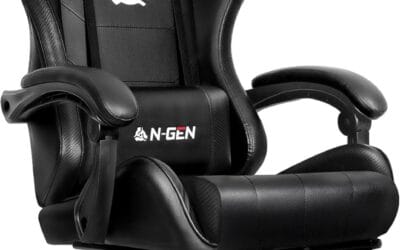
Budget alternative: N-GEN GAMING with footrest
Almost identical price ($89.77) but a higher 4.6-star rating across 3,297 reviews. The N-GEN leans into the recliner format with a high-back design and full leather wrap. Footrest and lumbar support are both included. Smaller review count means less data to lean on, but the rating itself is impressive. Pick this if you want a more aggressive racing-seat aesthetic.
Mid-range $200-$250: Razer Iskur V2 X
$239.99 buys you the chair most gamers should default to. The Iskur V2 X has Razer’s built-in lumbar arch (no pillow to wrestle with), a widened seat base, 152-degree recline, and 2D armrests. The 4.2-star rating is honest – Razer’s quality control isn’t perfect – but the ergonomic system genuinely works for 8-hour stints. If you’re between budget and premium, this is where we’d land.
Premium $400+: Razer Enki
The Razer Enki at $449 is built for all-day comfort. It uses a lumbar arch, eco-friendly synthetic leather that breathes better than standard PU, a reactive tilt mechanism, and the same 152-degree recline. The 4.5-star rating reflects what owners say after a year of use – it holds up. This is the pick if your chair is also your workday chair and gaming is just the evening shift.
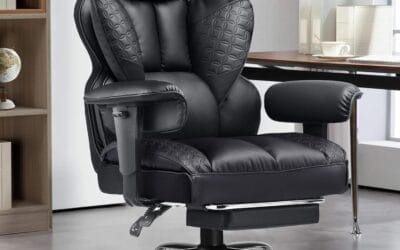
Heavy-duty: GTPLAYER Big and Tall 400lbs
$179.98 for a 400lbs-rated frame, pocket spring lumbar, and a built-in footrest. With 34,062 reviews at 4.5 stars, this is the most-vouched-for chair in the category. The pocket-spring lumbar is the standout feature; it flexes with your spine in a way fixed foam can’t match. Worth a look even if you don’t need the weight capacity, just for the seat comfort.
Bottom line
If we had to pick one for most gamers, the Razer Iskur V2 X at $239.99 hits the right balance of ergonomic engineering and price. Tight budget? The GTPLAYER Pearl White at $89.76 is a legitimate value play. Need to support more weight or want pocket-spring comfort? The GTPLAYER Big and Tall is the move. Premium buyers who sit eight hours straight should go Razer Enki. Match the tier to your sit time and you’ll get years out of whichever you pick.
Common questions
Is a gaming chair actually better than an office chair?
For long sessions, yes. Gaming chairs use bucket-seat designs with higher backrests and dedicated lumbar systems built around extended sitting. Office chairs prioritize quick adjustments for short tasks. That said, a $1,000 Herman Miller will out-ergonomic any gaming chair – but at the $100 to $450 range, gaming chairs win on lumbar and recline angle.
How long should a good gaming chair last?
Budget chairs under $100 typically give you 18 to 30 months of daily use before the foam compresses and the leather cracks. Mid-range builds around $200-$250 stretch to three or four years. Premium chairs like the Razer Enki are built for five-plus years of heavy use, which is why the math actually works out cheaper per month for serious gamers.
Do I need a footrest?
It depends on how you sit. If you lean back during cutscenes, downtime, or while watching a stream, a footrest is genuinely useful. If you stay upright at the desk the whole time, it’s a feature you’ll never deploy. Both the GTPLAYER Pearl White and N-GEN include one at the sub-$100 tier, so you’re not paying extra for it.
What’s the deal with pocket-spring lumbar support?
Pocket springs – the same tech used in mattresses – sit inside the lumbar section and flex independently as you shift. That means the support follows your spine instead of pushing back in one fixed spot. It’s the feature that separates the GTPLAYER Big and Tall from cheaper chairs. Once you’ve sat in one, regular foam lumbar feels stiff.
Is 152-degree recline worth caring about?
Yes, more than you’d think. A 152-degree angle lets you lean back enough to genuinely decompress between matches without losing back contact with the lumbar curve. Chairs that only recline to 120 or 130 degrees feel locked-in. Both Razer picks and the GTPLAYER builds in this list hit that recline range, which is why they made the cut.