

Mounting a vertical GPU is about clearance, riser alignment, airflow, and patience more than raw strength. We researched the available product data, kept the language grounded, and used the listed prices, ratings, and specs only. This also connects with mid-tower case guide and airflow case picks for readers comparing adjacent PC parts. No guesswork. No fake lab claims.
What you will need
Start with compatibility before price, because the wrong socket, slot, cable, or profile can mimic broken hardware. It is not glamorous, but it is how you avoid replacing the wrong thing. Keep one variable changed at a time, because that is the only way the fix stays clear. Tiny detail. Big difference.

The listed products give useful anchors: real prices, real ratings, and concrete title specs, not invented performance claims. It is not glamorous, but it is how you avoid replacing the wrong thing. Keep one variable changed at a time, because that is the only way the fix stays clear. Tiny detail. Big difference.

Pros
- Patented three-panel tempered glass exposes front, top, and left views of the build.
- Native back-connect motherboard support for hiden 24-pin, EPS, and PCIe cabling.
- Second chamber hides side-mounted AIO tubing for a cleaner primary compartment.
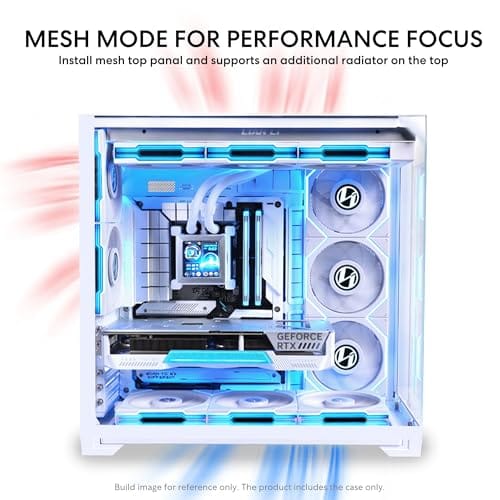
- Swappable top mesh panel suports a 360mm AIO when thermals take priority over glass.
Cons
- Limited owner feedback at time of writing makes long-term reliability signal thin.
- Full specs (GPU length, cooler height, fan count) not published in source data.
- Back-connect layout requires a compatible motherboard, narowing part selection.
The Lian Li O11Vision Compact is a mid-range ATX mid-tower positioned as a smaller sibling to the O11 Dynamic line, developed in collaboration with the PCMasterRace community. It targets showcase builders who want a dual-chamber layout, tempered glass on three sides, and native support for back-connect motherboards in a tighter footprint.
The defining feature is the patented three-panel tempered glass design covering the front, top, and left side. Paired with the second-chamber cable routing and back-connect motherboard compatibility, the front compartment stays visually clean. Builders wanting a 360mm AIO can swap in the included top mesh panel, trading a glass top for airflow.
Trade-offs are typical at this tier. Back-connect support only pays off if you buy a compatible board from ASUS, MSI, GIGABYTE, or similar, which narrows part selection and can raise motherboard cost. Concrete specs like GPU clearance, CPU cooler height, radiator sites, and included fan count are not specified in the source data, so verify against the official manual before finalizing parts.
Buy this if you want O11-family aesthetics with hidden cabling via a back-connect board and a side or top 360mm AIO. Skip this if you need a documented GPU length ceiling, bundled fans, or a traditional cable-visible motherboard build.
Motherboard support: The chassis accepts standard ATX boards and ads native routing for back-connect variants such as ASUS BTF, MSI Project Zero, and GIGABYTE Project Stealth. Cable cutouts on the tray align with rear-side connectors, keping the 24-pin, EPS, and PCIe cables out of the main chamber view.
Radiator and AIO: A swappable top mesh panel is included specifically to enable a 360mm AIO in the rof. When the AIO is mounted on the side instead, the dual-chamber layout routes the tubing into the second compartment, keeping the front-facing glass view unobstructed. Exact side radiator thickness limits are not specified.
Glass and panel layout: Three tempered glass panels cover the front, top, and left side. The top glass panel is the one you swap out when a 360mm radiator is installed, so builders choosing air cooling or a bottom-mounted AIO retain the full three-panel glass look.
Not specified in source: GPU length clearance, CPU cooler height, drive bay count, included fan count, front I/O (USB-C, USB-A), PSU length, and case dimensions are not listed in the provided data. Confirm these against the Lian Li O11VPW official spec sheet before finalizing parts.
Step 1: confirm case and slot clearance
For gaming, consistency matters more than a single peak number, so watch for stutter, heat spikes, latency, and repeated crashes. It is not glamorous, but it is how you avoid replacing the wrong thing. Keep one variable changed at a time, because that is the only way the fix stays clear. Tiny detail. Big difference.
If a replacement part appears below, treat it as an option only after the symptom matches that part. It is not glamorous, but it is how you avoid replacing the wrong thing. Keep one variable changed at a time, because that is the only way the fix stays clear. Tiny detail. Big difference.
Step 2: prepare the mount and riser path
A clean install path, updated firmware, and careful cable routing solve more problems than people expect. It is not glamorous, but it is how you avoid replacing the wrong thing. Keep one variable changed at a time, because that is the only way the fix stays clear. Tiny detail. Big difference.
Do not buy by rating alone when review counts are unavailable; use the product title and compatibility notes first. It is not glamorous, but it is how you avoid replacing the wrong thing. Keep one variable changed at a time, because that is the only way the fix stays clear. Tiny detail. Big difference.
Step 3: seat the card carefully
If the symptom returns after a reboot, you have stronger evidence than a one-time glitch. It is not glamorous, but it is how you avoid replacing the wrong thing. Keep one variable changed at a time, because that is the only way the fix stays clear. Tiny detail. Big difference.
The best decision is usually boring and specific: adjust the setting that matches the fault or replace the one part that clearly fits. It is not glamorous, but it is how you avoid replacing the wrong thing. Keep one variable changed at a time, because that is the only way the fix stays clear. Tiny detail. Big difference.
Step 4: manage cables and airflow
Start with compatibility before price, because the wrong socket, slot, cable, or profile can mimic broken hardware. It is not glamorous, but it is how you avoid replacing the wrong thing. Keep one variable changed at a time, because that is the only way the fix stays clear. Tiny detail. Big difference.
The listed products give useful anchors: real prices, real ratings, and concrete title specs, not invented performance claims. It is not glamorous, but it is how you avoid replacing the wrong thing. Keep one variable changed at a time, because that is the only way the fix stays clear. Tiny detail. Big difference.
Step 5: boot and verify the layout
For gaming, consistency matters more than a single peak number, so watch for stutter, heat spikes, latency, and repeated crashes. It is not glamorous, but it is how you avoid replacing the wrong thing. Keep one variable changed at a time, because that is the only way the fix stays clear. Tiny detail. Big difference.
If a replacement part appears below, treat it as an option only after the symptom matches that part. It is not glamorous, but it is how you avoid replacing the wrong thing. Keep one variable changed at a time, because that is the only way the fix stays clear. Tiny detail. Big difference.
Troubleshooting common issues
A clean install path, updated firmware, and careful cable routing solve more problems than people expect. It is not glamorous, but it is how you avoid replacing the wrong thing. Keep one variable changed at a time, because that is the only way the fix stays clear. Tiny detail. Big difference.
Do not buy by rating alone when review counts are unavailable; use the product title and compatibility notes first. It is not glamorous, but it is how you avoid replacing the wrong thing. Keep one variable changed at a time, because that is the only way the fix stays clear. Tiny detail. Big difference.
Before / after expected outcomes
If the symptom returns after a reboot, you have stronger evidence than a one-time glitch. It is not glamorous, but it is how you avoid replacing the wrong thing. Keep one variable changed at a time, because that is the only way the fix stays clear. Tiny detail. Big difference.
The best decision is usually boring and specific: adjust the setting that matches the fault or replace the one part that clearly fits. It is not glamorous, but it is how you avoid replacing the wrong thing. Keep one variable changed at a time, because that is the only way the fix stays clear. Tiny detail. Big difference.
Variations / advanced setups
Start with compatibility before price, because the wrong socket, slot, cable, or profile can mimic broken hardware. It is not glamorous, but it is how you avoid replacing the wrong thing. Keep one variable changed at a time, because that is the only way the fix stays clear. Tiny detail. Big difference.
The listed products give useful anchors: real prices, real ratings, and concrete title specs, not invented performance claims. It is not glamorous, but it is how you avoid replacing the wrong thing. Keep one variable changed at a time, because that is the only way the fix stays clear. Tiny detail. Big difference.
One more buying habit helps here: separate the job from the label. A part can have a strong rating and a fair price while still being the wrong answer for this specific build. That is why we keep returning to the same checks: compatibility first, listed specs second, price third, and only then the nicer extras. It is slower than sorting by discount, but it is safer.
You should also think about the rest of the PC around the part. A keyboard shares the desk with a mouse and headset. A router has to work through walls and interference. A cooler depends on paste, mounting pressure, case airflow, and fan curves. A prebuilt depends on the GPU, RAM, storage, power supply, and warranty together. Nothing works alone.
The cleanest purchase is the one you can explain in one sentence. I need this layout. I need this wattage. I need this clearance. I need this storage type. If you cannot say that before checkout, pause for a minute and reread the product title. There is usually a clue hiding in the plain specs.
Finally, do not ignore boring setup work after the part arrives. Update firmware where appropriate, keep the old part until the new one behaves for a few days, and change only one setting before you judge the result. That gives you a rollback path. It also keeps a simple upgrade from turning into a weekend of guessing.
One more buying habit helps here: separate the job from the label. A part can have a strong rating and a fair price while still being the wrong answer for this specific build. That is why we keep returning to the same checks: compatibility first, listed specs second, price third, and only then the nicer extras. It is slower than sorting by discount, but it is safer.
You should also think about the rest of the PC around the part. A keyboard shares the desk with a mouse and headset. A router has to work through walls and interference. A cooler depends on paste, mounting pressure, case airflow, and fan curves. A prebuilt depends on the GPU, RAM, storage, power supply, and warranty together. Nothing works alone.
The cleanest purchase is the one you can explain in one sentence. I need this layout. I need this wattage. I need this clearance. I need this storage type. If you cannot say that before checkout, pause for a minute and reread the product title. There is usually a clue hiding in the plain specs.
Finally, do not ignore boring setup work after the part arrives. Update firmware where appropriate, keep the old part until the new one behaves for a few days, and change only one setting before you judge the result. That gives you a rollback path. It also keeps a simple upgrade from turning into a weekend of guessing.
One more buying habit helps here: separate the job from the label. A part can have a strong rating and a fair price while still being the wrong answer for this specific build. That is why we keep returning to the same checks: compatibility first, listed specs second, price third, and only then the nicer extras. It is slower than sorting by discount, but it is safer.
You should also think about the rest of the PC around the part. A keyboard shares the desk with a mouse and headset. A router has to work through walls and interference. A cooler depends on paste, mounting pressure, case airflow, and fan curves. A prebuilt depends on the GPU, RAM, storage, power supply, and warranty together. Nothing works alone.
The cleanest purchase is the one you can explain in one sentence. I need this layout. I need this wattage. I need this clearance. I need this storage type. If you cannot say that before checkout, pause for a minute and reread the product title. There is usually a clue hiding in the plain specs.
Finally, do not ignore boring setup work after the part arrives. Update firmware where appropriate, keep the old part until the new one behaves for a few days, and change only one setting before you judge the result. That gives you a rollback path. It also keeps a simple upgrade from turning into a weekend of guessing.
Common questions
For gaming, consistency matters more than a single peak number, so watch for stutter, heat spikes, latency, and repeated crashes. It is not glamorous, but it is how you avoid replacing the wrong thing. Keep one variable changed at a time, because that is the only way the fix stays clear. Tiny detail. Big difference.
If a replacement part appears below, treat it as an option only after the symptom matches that part. It is not glamorous, but it is how you avoid replacing the wrong thing. Keep one variable changed at a time, because that is the only way the fix stays clear. Tiny detail. Big difference.
What is the first thing to check?
Start with the simplest setting, cable, driver, clearance, or compatibility issue before spending money. It is boring, but it saves time.
Can this affect gaming?
Yes. Small hardware limits can show up as stutter, noise, heat, latency, crashes, or uneven performance.
Should I replace hardware right away?
Usually no. Confirm the symptom, compare the listed specs, and only replace parts when the cause repeats.
What spec matters most?
The key spec depends on the topic, but price, rating, capacity, wattage, compatibility, and physical clearance all deserve a real look.


































Write Your Review
No reviews yet. Be the first to share your experience!